
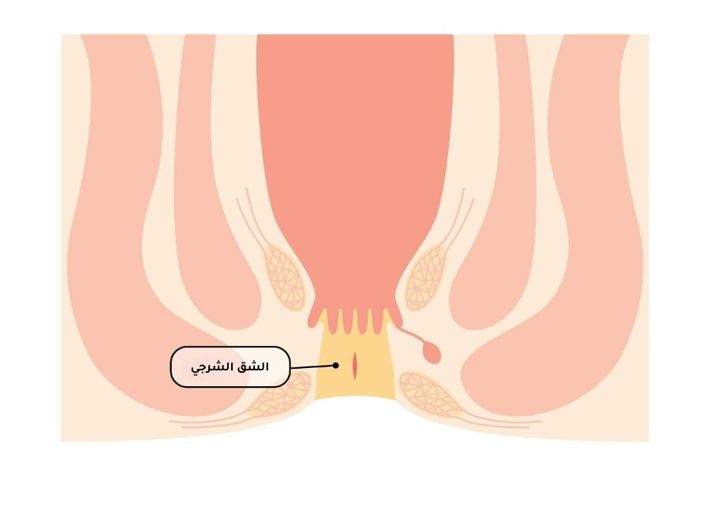
An anal fissure, also known as a rectal fissure, is a small tear in the lining of the anal opening that causes severe pain during and after bowel movements.
Despite the severity of the pain, an anal fissure heals on its own in about half of cases without treatment. In other cases, effective medications are available to relieve pain and promote wound healing. In a small number of cases, especially chronic anal fissures that last more than eight weeks, some people may require botox injections in the area or a minor surgical procedure as a last resort. (1)
What Are the Treatment Options for Anal Fissures?
An anal fissure usually heals within two weeks or slightly longer, similar to any other skin wound. In general, treatments aim to relieve pain, treat constipation as the main cause of anal fissures, and promote wound healing.
Treatment options include: (2)(3)
Pain Relief Treatments
• Sitz bath: Fill a bathtub or a deep basin with warm water and sit in it for 10-20 minutes several times a day, and after each bowel movement if possible.
• Anesthetic creams or ointments: These creams contain numbing agents such as lidocaine and are available at pharmacies. Apply them to the fissure area a few minutes before using the bathroom to help reduce pain during bowel movements. They should be used for a short period of less than one week, as frequent use may irritate the anal area.
• Pain relievers: Help reduce pain and discomfort.
• Cleaning the anal area: Gently wash the area with water after bowel movements and dry it softly with a clean tissue. Avoid using soap or scented wet wipes, as they may irritate the skin and increase pain.
Constipation Treatments
This is an essential part of treatment, as constipation is one of the main causes of anal fissures. Patients also tend to delay bowel movements due to fear of pain, which worsens the condition.
• Increasing fiber intake: Make sure to eat foods rich in fiber such as fruits, vegetables, and whole grains including whole wheat, bran, barley, and oats.
• Drinking plenty of fluids: Drink at least two liters or 10-12 cups of fluids daily, as they help soften stools.
• Proper bowel habits : Do not delay bowel movements even if you are afraid of pain, as stool will become larger and harder to pass later. Proper bowel posture includes:
- Sitting on the toilet and leaning slightly forward while keeping the back straight
- Placing the feet on a small footrest on the floor
- Keeping the legs apart with the forearms resting on the knees
• Constipation medications : If previous methods are ineffective, you may try constipation medications such as fiber supplements or laxatives like lactulose. A doctor or pharmacist can suggest the most suitable option.
• Physical activity : Try walking or light jogging regularly, as exercise helps relieve constipation.
Treatments to Promote Healing of an Anal Fissure
If two weeks pass and the fissure does not improve on its own or with the previous treatments, the following options may help speed up healing.
• Glyceryl trinitrate ointment: Used twice daily for at least 6 weeks. It helps relax the muscles around the anus and widen blood vessels, increasing blood flow and accelerating healing. It may also relieve pain. Headache is a common side effect. In this case, a smaller amount can be applied five to six times a day instead of a larger amount twice daily.
• Diltiazem: Used for at least 6 weeks and may be recommended if glyceryl trinitrate ointment is not effective. It also helps relax muscles and increase blood flow to the area.
• Botox injections : A relatively new treatment for anal fissures, usually used after failure of previous treatments. It helps relax muscles, reduce pain, and promote healing. Research shows that more than fifty percent of patients benefit from it. The effect lasts about two to three months, which is enough time for the fissure to heal properly.
Surgery
Surgery is the most effective treatment for severe or chronic anal fissures, with a success rate exceeding 90%..
- The most common procedure is lateral internal sphincterotomy, where a small incision is made in the anal sphincter muscle to reduce pressure on the anal opening and allow healing. The procedure is simple, performed under general anesthesia, and patients can return home the same day. Recovery usually takes about two to four weeks.
- Additional surgical techniques may be used depending on the case.
You can consult experienced gastroenterology and colorectal surgery specialists for the treatment of anal fissures at Al Ahli Hospital, one of the largest private hospitals in Qatar.
References
- Familydoctor - Anal Fissure
- Patient - Anal fissure
- NHS - Treatment -Anal fissure


