
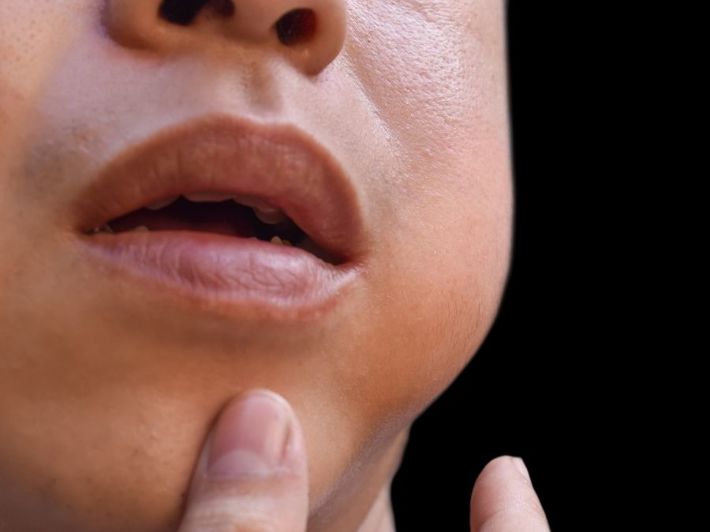
Mumps, also known as parotitis (Mumps), is a contagious viral infection that primarily affects the parotid salivary glands located near the cheeks. It has become far less common due to widespread vaccination. (1)
In Qatar, there has been a noticeable decline in mumps cases over recent years, with only 5 cases reported in 2022 compared to 407 cases in 2009.
This article discusses mumps, its symptoms, the importance of vaccination for prevention, and other key information.
Symptoms of Mumps
Symptoms usually appear 12–24 days after exposure to the virus. The most prominent symptom is painful swelling on one or both sides of the face under the ears (the parotid glands), giving the infected person a distinctive “hamster face” appearance. This swelling typically lasts 5–7 days. The swelling may cause difficulty chewing or swallowing, especially when consuming acidic liquids such as citrus juices, along with tenderness when touching the gland area.
Some individuals experience swelling of the salivary glands without other symptoms, while others may develop symptoms that precede or accompany the swelling, such as: (2)
- Chills.
- Headache.
- Loss of appetite.
- General feeling of illness (fatigue).
- Low to moderate fever (which may rise to 39.5–40°C during the gland swelling phase).
Is Mumps Contagious? How Does It Spread?
Mumps is a contagious disease caused by the mumps virus, which spreads through: (3)
- Coughing, sneezing, or talking.
- Sharing items that may be contaminated with saliva, such as water bottles or cups.
- Close personal contact, such as sports activities or kissing.
An infected person can spread the virus from a few days before salivary gland swelling begins and up to 5 days after the swelling starts. (3)
Who Gets Mumps?
Mumps most commonly affects children aged 2–12 years who have not received the mumps vaccine. However, adolescents and adults can also develop mumps, either due to not being vaccinated or because immunity from the vaccine may weaken over time. (1)
What Should You Do If You Get Mumps?
There is no specific treatment for mumps, but care focuses on relieving symptoms, such as: (1)
- Getting adequate rest.
- Drinking plenty of fluids to prevent dehydration.
- Eating soft, easy-to-chew foods to avoid irritating the salivary glands, and avoiding spicy, salty, or acidic foods.
- Gargling with warm salt water.
- Using ice packs to soothe throat pain.
- Taking pain relievers to reduce pain and fever.
- Staying home and avoiding contact with others to prevent transmission.
If you experience severe symptoms or suspect that you or your child may have mumps, consult a doctor for proper diagnosis, treatment, and prevention of complications. Book an appointment today at Al-Ahli Hospital, where expertise meets comprehensive and high-quality care.
Complications of Mumps
Although rare, mumps can lead to complications, which is why vaccination is essential. Possible complications include:(4)
- Testicular swelling (orchitis).
- Ovarian swelling.
- Encephalitis, which may cause altered consciousness, seizures, and loss of muscle control.
- Meningitis.
- Hearing loss.
- Pancreatitis.
- Miscarriage (if infection occurs during the first 12 weeks of pregnancy).
Prevention of Mumps: How to Protect Yourself and Your Community
The measles, mumps, and rubella (MMR) vaccine is the best way to prevent mumps, providing protection in approximately 90% of cases. However, outbreaks can still occur, particularly in communities with low vaccination rates.
The Centers for Disease Control and Prevention (CDC) recommend that children receive two doses of the MMR vaccine:
- The first dose is between 12 and 15 months of age.
- The second dose is between 4 and 6 years of age.
To prevent spreading mumps to others, wash your hands thoroughly with soap and water,especially after coughing or sneezing,and avoid close contact with infected individuals. (5)
Is the Mumps Vaccine Safe?
The mumps vaccine is safe and effective, and most people experience no side effects. If side effects do occur, they are usually mild and temporary and may include:(4)
- Pain at the injection site.
- Fever.
- Rash at the injection site.
- Swelling of glands in the cheeks or neck.
In rare cases, some individuals may experience joint pain or stiffness, seizures, temporary low platelet count, or skin rash. Severe allergic reactions are also very rare. (4)
Contrary to common misconceptions, there is no link between autism and receiving the mumps vaccine.(4)
References
- Mumps: Causes, Symptoms & Treatments, Cleveland Clinic
- Mumps, MSD Manual
- About Mumps, CDC
- Mumps - Symptoms & causes, Mayo Clinic


