
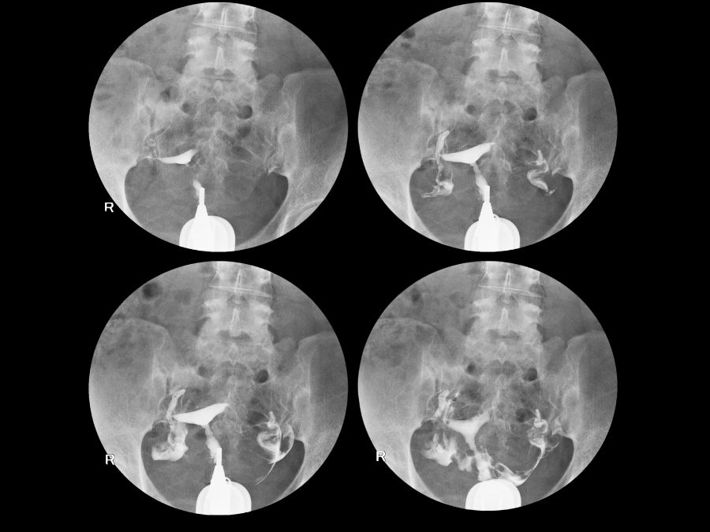
Hysterosalpingography (HSG), also known as a “dye X-ray of the uterus,” is a special type of X-ray in which a contrast dye is used to detect any blockage in the fallopian tubes, as well as to provide accurate information about the shape and size of the uterus.(1)
It is an important test for diagnosing fertility issues and delayed conception. Here, we provide 5 simple, scientific answers to the most common questions about HSG, helping you feel confident and prepared for the procedure.
1. How and when is HSG performed?
During the test, a contrast dye is injected through the vagina so that it appears clearly on the X-ray screen. This allows the doctor to see how the dye moves through the fallopian tubes and uterus, showing if there are any blockages or abnormalities.(1)
It is preferable to perform the test in the first part of the menstrual cycle, right after menstruation ends, as the likelihood of pregnancy is minimal during this period. The detailed steps include:(1)
- The doctor will ask you to lie on your back with your legs apart, similar to a pelvic exam.
- A vaginal speculum is inserted to open the vaginal walls and visualize the cervix clearly.
- A local anesthetic may be applied to the cervix to reduce discomfort.
- A thin tube (cannula) is inserted through the cervix to pass the dye.
- You will then be positioned under the X-ray machine, and the dye will be injected. You may feel mild cramps or discomfort during this process.
- X-ray images are taken as the dye spreads through the uterus and fallopian tubes.
- The dye slowly exits the fallopian tubes and is absorbed by the body.
2. Is HSG painful?
Generally, the test is not extremely painful, but you may feel mild to moderate discomfort or cramps as the uterus and fallopian tubes fill with dye. Some women may experience pain similar to strong menstrual cramps, especially if the fallopian tubes are blocked.
This discomfort usually disappears once the test is completed, though it may persist briefly for some. Painkillers before or after the procedure can help reduce discomfort significantly. (2)
HSG at Al Ahli Hospital
Relax and trust our experienced gynecologists. We provide the latest medical techniques and local anesthesia to ensure maximum comfort during the procedure.
3. Do I need to fast before HSG?
No fasting is required before the test. You can eat your meals as usual. (2)
4. Are there risks associated with HSG?
HSG is generally considered safe. The body absorbs and eliminates the dye naturally without risk. You may need to use a sanitary pad to absorb excess dye that may leak from the vagina, which can sometimes be accompanied by sticky discharge. Possible side effects include:(3)
- Mild cramping
- Dizziness
- Nausea
- Small amounts of vaginal bleeding for a day or two
As with any medical procedure, rare complications may occur, such as infection, injury to the uterus, or an allergic reaction to the dye, but these are uncommon.
5. Can HSG increase the chances of pregnancy?
Some studies suggest that HSG may slightly increase the chances of conception, especially during the first 3–6 months after the test. This may be due to certain types of oil-based dye helping to open or clear the fallopian tubes from minor obstructions. (3)
However, more research is needed to confirm these benefits, and HSG is primarily considered a diagnostic test at present. (3)
References
- ACOG - Hysterosalpingography (HSG)
- Department of Radiology and Biomedical Imaging - How to Prepare for a Hysterosalpingogram (HSG) Procedure
- Cleveland Clinic - Hysterosalpingogram