
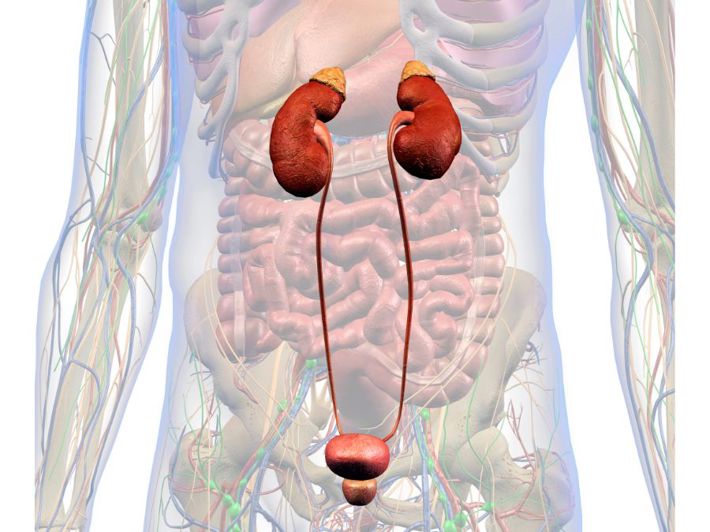
After a ureteral stent is placed, many patients begin to wonder how long it will remain in place, how it is removed, and what they can expect afterward.
When Is a Ureteral Stent Removed?
The duration a ureteral stent remains in place varies depending on the medical condition and the type of stent used. In most cases, the stent can be removed just a few days after the procedure. In other cases, the doctor may recommend leaving it in place for a longer period. However, in general, the stent should be removed (or replaced) within a maximum of 3–6 months. (1)
How Is a Ureteral Stent Removed?
Ureteral stent removal is usually performed using cystoscopy under local anesthesia. It is a simple and very safe procedure that does not take much time. The general steps include: (2)
- The doctor inserts a thin tube called a cystoscope through the urethral opening into the bladder and up to the ureter.
- The lower end of the scope contains forceps used to grasp the end of the stent and gently pull it out.
- X-ray imaging or ultrasound may be performed before removal to ensure there are no complications.
In other cases, simple stents used for only a few days may be equipped with a string that exits through the urethra outside the body. In this situation, removing the stent simply involves gently pulling the string according to the doctor’s instructions. (2)
There is no need to worry about ureteral stent removal at Al-Ahli Hospital. Thanks to the expertise and skill of our urology specialists, the procedure is performed smoothly, accurately, and comfortably.
Symptoms After Ureteral Stent Removal
It is normal to experience some side effects after ureteral stent removal. These symptoms are usually mild and disappear within 2–3 days. They may include: (1)
- Mild lower abdominal pain, which usually lasts only a few hours and resolves completely within 3 days. In some cases, mild discomfort may persist for up to two weeks.
- Blood in the urine, sometimes appearing as small clots; this is normal and not concerning.
- Burning or pain during urination.
- Frequent urination.
Tips After Ureteral Stent Removal
These tips can help reduce post-procedure symptoms and support faster recovery:(1)(3)
- Increase fluid intake: Drink 2.5–3 liters of water and fluids daily.
- Take pain relievers when needed: Use prescribed pain medication to ease discomfort.
- Rest: Get adequate rest and avoid strenuous activities or lifting heavy objects until you recover.
- Returning to work: In most cases, you can return to work the next day. If your job requires significant physical effort, consult your doctor about the appropriate time to resume work.
- Consult your doctor about medications: If you take aspirin or other blood thinners, ask your doctor when it is safe to resume them.
- Prevent constipation: Avoid constipation, as it may increase discomfort. Eat fiber-rich foods such as fruits and vegetables, drink enough water, and use stool softeners if recommended by your doctor.
- Follow your doctor’s instructions: Be sure to adhere to all post-removal instructions provided by your physician.
When Should You See a Doctor?
The procedure is safe and simple, but in rare cases, bleeding or urinary tract infection may occur. Seek medical attention promptly if you experience any of the following symptoms after stent removal:(3)
- Pain that worsens over time or does not improve with pain relievers.
- Large blood clots in the urine or persistent blood in the urine for more than two days.
- Inability to urinate.
- Symptoms of a urinary tract infection, including:
- Pain or burning during urination.
- Frequent urge to urinate despite passing small amounts of urine.
- Flank pain.
- Fever.
- Chills.
References
- University of Michigan Health System - Frequently Asked Questions about
- Ureteral Stents
- Cleveland Clinic - Ureteral Stents
- MyHealth.Alberta.ca Network - Ureteral Stent Removal: What to Expect at Home


