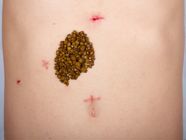
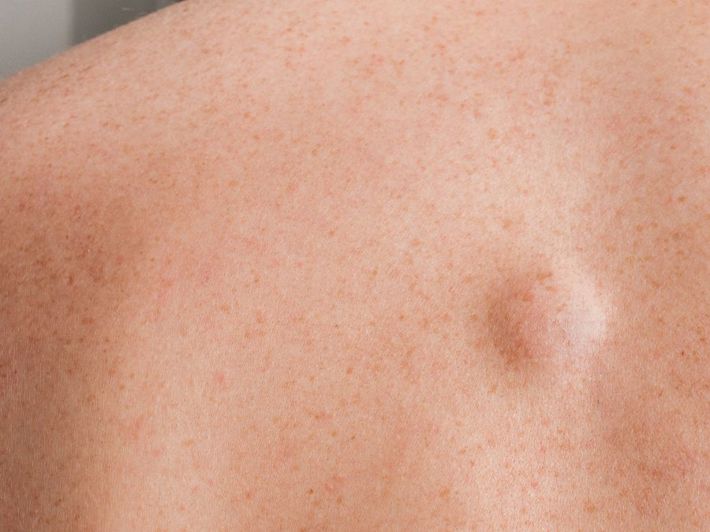
A lipoma is a small sac that grows under the skin and contains fatty material. It is usually painless and not a health risk, but it can cause some discomfort if it grows large or becomes inflamed. (1)
Although surgery is the traditional method for removing a lipoma when necessary, many people ask: Is it possible to remove a lipoma without surgery? Here’s the answer.
Is it possible to remove a lipoma without surgery?
Yes, in some cases, the symptoms of a lipoma can be reduced or the lipoma can be treated without surgery. However, it should be noted that surgical treatment is usually the most effective way to permanently remove a lipoma.
While non-surgical treatments may be simpler, they may not always be effective and the lipoma often returns. Therefore, it is essential to consult a doctor to evaluate the condition and determine the best treatment option for each individual. (2)
Non-Surgical Treatment Options
Small, painless lipomas usually do not need removal, and the doctor may recommend regular monitoring to ensure they do not grow or cause complications. Do not try to drain the lipoma yourself, as this may lead to infection.
Non-surgical options include: (1)
- Cortisone Injections
Cortisone can be injected into a small lipoma to reduce its size effectively, especially if its diameter is less than 2.5 centimeters. In approximately 60% of these cases, the injections are effective depending on the type of lipoma, its location, and the body’s response to treatment.
The number of injections needed depends on the type of drug and the lipoma itself. For example, prednisone injections are usually given five times a week for four weeks, while a single triamcinolone injection may be sufficient.
- Fat Aspiration
This is not the primary treatment for lipomas but may be used in certain cases where the lipoma is large and needs to be reduced before surgery to minimize scarring.(3)
- Fat-Dissolving Injections
This method is sometimes used in specific cases but is not common for treating lipomas. A substance is injected into the lipoma to dissolve the fat cells, and multiple injections may be required.
- Laser Treatment
Laser treatment is also not a common option. It involves directing laser beams precisely at the fat cells to destroy them, which may reduce the size of the lipoma. However, it may not give satisfactory results for large or complex lipomas, which may require other treatment methods.(2)
When Should Surgery Be Considered?
Surgery is the only method to permanently remove a lipoma. If non-surgical treatments are ineffective, or if the lipoma causes significant health or cosmetic issues, the doctor may recommend a simple surgical procedure to remove it completely.(3)
Surgery is the preferred option in the following cases:(4)(5)
- Large or growing lipomas: When the lipoma is very large or continues to grow, it may be difficult to treat non-surgically.
- Painful or inflamed lipomas: If the lipoma causes severe pain or redness, it is likely infected and requires surgical removal.
- Lipomas pressing on nerves or blood vessels: Large lipomas may compress surrounding nerves or blood vessels, causing symptoms such as numbness or pain.
- Cosmetic concerns: If the lipoma is in a visible area such as the face or neck, the patient may wish to remove it for cosmetic reasons.
Book your appointment today and benefit from our comprehensive dermatology services at Al Ahli Hospital. With the latest technologies and experienced medical staff, our Dermatology and General Surgery Departments provide effective solutions for lipoma removal and treatment of various skin conditions in a safe and comfortable medical environment.
References
- How Lipoma Is Treated, Very Well Health
- Lipoma management with a minimally invasive, NCBI
- Lipoma Excision, AAFP
- Lipoma - Diagnosis & treatment, Mayo Clinic
- Lipoma - StatPearls, NCBI Bookshelf