
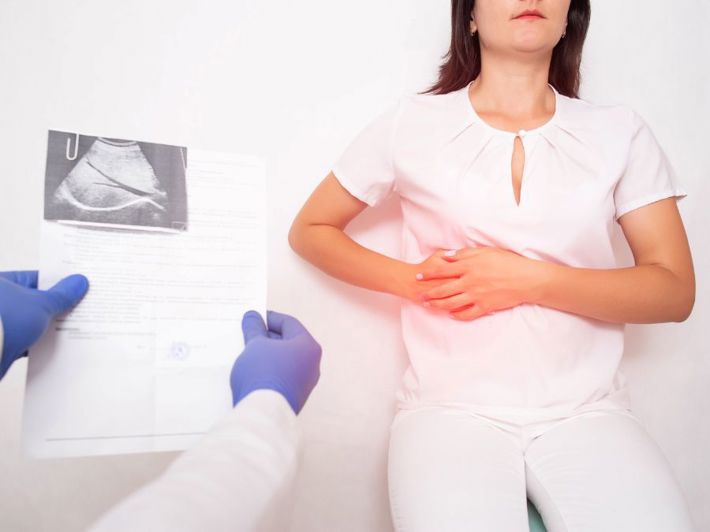
The gallbladder stores a substance called bile, which is released into the intestines after consuming a fatty or heavy meal to aid digestion. However, sometimes gallstones form inside the gallbladder, trapping bile and causing inflammation and swelling. If left untreated, this can lead to serious complications.(1) So, what are the symptoms of gallbladder inflammation, and how is it treated?
Symptoms of Gallbladder Inflammation
The common symptoms include:(2)
- Pain in the upper abdomen: Often in the upper right side near the gallbladder and liver, sometimes radiating to the back or right shoulder. Pain worsens after consuming fatty meals.
- Nausea or vomiting.
- Fever with chills in some cases.
- Jaundice: Yellowing of the skin and eyes, dark urine, or pale/clay-colored stool.
These symptoms may resemble other conditions such as heartburn, hepatitis, or other digestive problems.
When to See a Doctor
If you experience sudden, severe pain in the upper abdomen that lasts for several hours, especially accompanied by any of the above symptoms, you should see a doctor or go to the emergency room immediately. Gallbladder inflammation is an emergency that requires prompt treatment to prevent serious complications such as rupture or the spread of infection to other organs. (5)
Acute vs. Chronic Gallbladder Inflammation
Gallbladder inflammation is divided into two types:(3)
- Acute cholecystitis: A sudden inflammation causing severe abdominal pain, nausea, vomiting, and fever. Symptoms are usually intense and require immediate treatment. Gallstones are the cause in at least 95% of cases.
- Chronic cholecystitis: A milder form with less severe pain that does not last for hours but recurs over a long period. It usually occurs due to small gallstones or repeated acute attacks that were not fully treated.
How is Gallbladder Inflammation Treated?
Patients should be hospitalized as soon as gallbladder inflammation is suspected to monitor their condition and prevent rupture. Initial treatment typically includes intravenous antibiotics and fluids, while fasting (especially from fats) until symptoms stabilize.(4)
Most cases require gallbladder removal, either urgently if the condition is severe or scheduled later for more stable cases. Surgery is considered the best solution for most patients for two main reasons:(2)(4)
- Recurrence: About 25% of patients with acute cholecystitis experience another episode within a year, and 60% within six years, potentially leading to chronic cholecystitis that requires surgery.
- Living without a gallbladder: Patients can live a normal life without a gallbladder since the liver continues to produce bile; the gallbladder only serves as a storage organ.
The General Surgery Department at Al-Ahli Hospital has highly skilled surgeons specializing in gallbladder treatment and removal, using advanced medical equipment and modern techniques to ensure optimal results and comprehensive care for every patient.
References
- MedlinePlus: Acute Cholecystitis
- Harvard Medical School: Cholecystitis
- MSD Manuals: Cholecystitis
- Medscape: Acute Cholecystitis
- StatPearls - NCBI Bookshelf: Acute Cholecystitis


